 PickGuide
Jackery HomePower 3000 Review: 3072Wh Home Backup at $1,499
A home backup battery is bought once and judged over a decade, which makes the specification sheet matter more than the launch-day discount. The Jackery HomePower 3000 stores 3072Wh in a LiFePO4 pack and delivers 3600W continuously with a 7200W surge ceiling, enough to carry a refrigerator, Wi-Fi, lighting and a few small appliances through an outage rather than just keeping phones alive. Jackery lists it as the current best seller in its power station range and rates it for 1-2 days of essentials per charge. It weighs 59.5 lb, recharges fully from a wall outlet in 2.2 hours, and carries a 5-year warranty at $1,499 with free shipping.
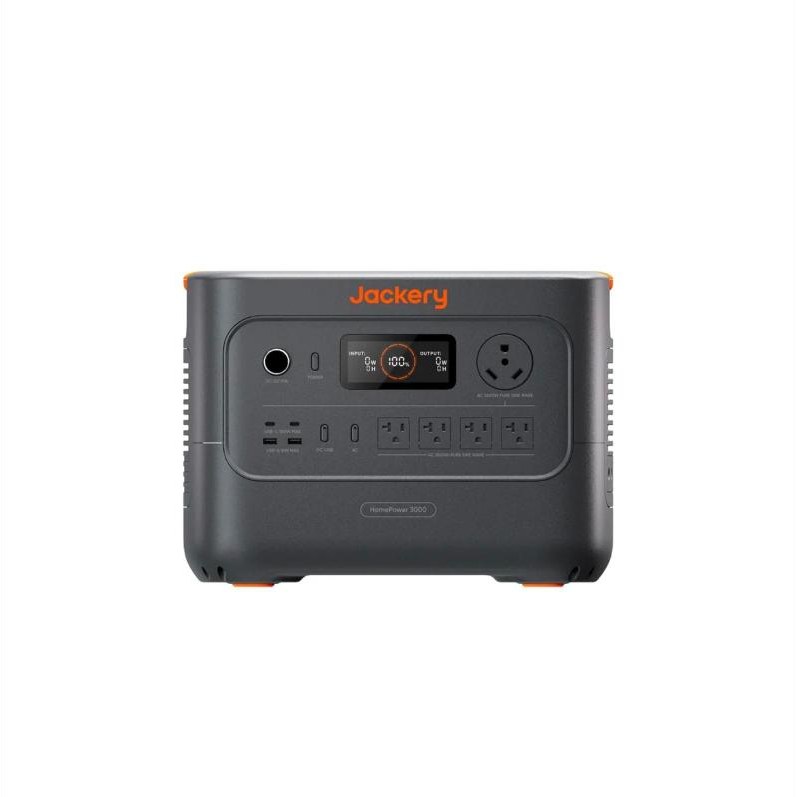
Jackery HomePower 3000 portable home backup power station. Capacity: 3072Wh LiFePO4. Continuous output: 3600W, with 7200W surge. Weight: 59.5 lb. Recharge: 2.2 hours to full via AC. Battery technology: ChargeShield 2.0, rated by Jackery for 10+ years of use. Design: cell-to-body (CTB) construction, which Jackery describes as the lightest and smallest 3kWh power station available. Warranty: 5 years. Price: $1,499 for the unit alone; $2,149 bundled with two SolarSaga 200W panels; $2,329 bundled with the SolarSaga 500X. Free shipping. Note: the product page lists an estimated ship date rather than immediate dispatch.
Pros
- 3072Wh and 3600W is genuinely enough for whole-room backup - fridge, router, lights and a microwave rather than phones and a laptop
- LiFePO4 chemistry with a 5-year warranty, where much of the market still ships 2 years on lithium-ion
- 2.2 hours to a full recharge means it can be topped up between outages in a rolling blackout
- 7200W surge headroom covers the startup spike that trips undersized units when a compressor kicks in
- 59.5 lb is heavy in absolute terms but light for 3kWh - the cell-to-body design is a real engineering gain, not marketing
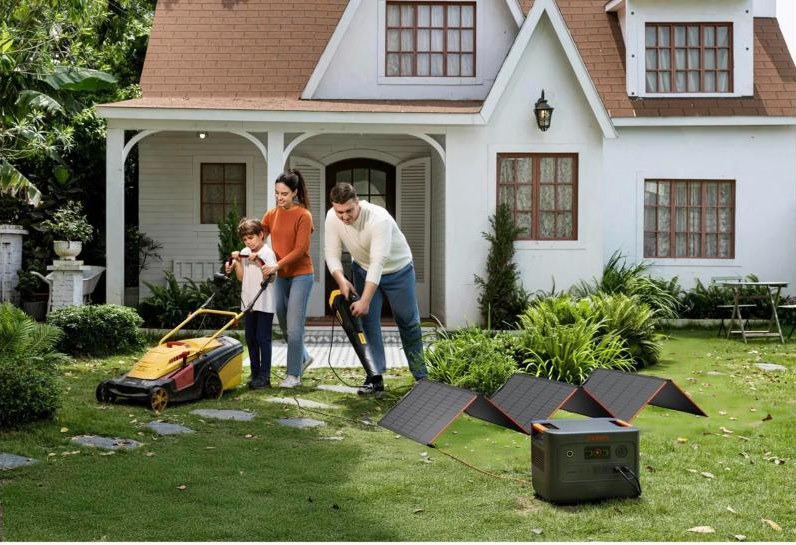
- Expandable with solar through bundled SolarSaga panels if you want recharge capability away from the grid
Cons
- $1,499 is a serious outlay for equipment that sits unused most of the year
- 59.5 lb with no meaningful portability - this is a fixed-location unit despite the 'portable' category name
- Running your home's circuits rather than plugging appliances in directly needs a transfer switch and an electrician, which is a separate cost
- The product page shows an estimated ship date rather than stock on hand, so delivery timing is worth confirming before you buy
- Solar recharge is sold as a bundle upgrade, adding $650 or more to reach a true off-grid setup
Who It's For
Good For
- Households in areas with multi-hour or multi-day outages where a fridge full of food is the real cost
- Home offices that cannot afford to lose a working day to a blackout
- Anyone running medical equipment such as a CPAP who needs guaranteed overnight power
- Owners who want one unit to cover backup now and add solar later rather than committing to a full system today
Skip If
- You want something to carry to a campsite - a 1000Wh class unit at a third of the weight suits that far better
- Your outages last minutes rather than hours, where a UPS for the router and computer costs a fraction of this
- You need 240V appliances, which this 120V unit cannot run without stepping up to the Pro Max or Explorer 5000 Plus
How It Compares: Jackery HomePower 3000 Power Station vs LiTime 12V 320Ah ComFlex LiFePO4 Battery
| Spec | Jackery HomePower 3000 Power Station | LiTime 12V 320Ah ComFlex LiFePO4 Battery |
|---|---|---|
| Price | $1,499.00 | $883.49 |
| Format | All-in-one with inverter and outlets | Bare battery, needs inverter |
| Usable energy | 3072Wh | About 4096Wh at 12.8V |
| Setup | Unbox and plug in | Wiring and components required |
| Best setting | House backup | RV, marine, off-grid build |
| Warranty | 5 years | 5 years |
These solve the same problem at opposite ends of the effort scale. The Jackery is a finished appliance - you plug things into it on the day the power goes out, with nothing to assemble. The LiTime is raw storage at roughly half the cost per watt-hour, but it needs an inverter, wiring and some knowledge to become a working system. Buy the Jackery if you want backup power without a project; buy the LiTime if you are building an RV or off-grid setup and already own the surrounding components.
See LiTime 12V 320Ah ComFlex LiFePO4 Battery →
Verified Ratings
Key Specs
| Capacity | 3072Wh LiFePO4 |
| Continuous output | 3600W |
| Surge output | 7200W |
| Weight | 59.5 lb |
| Full recharge (AC) | 2.2 hours |
| Battery technology | ChargeShield 2.0, rated 10+ years |
| Voltage | 120V |
| Warranty | 5 years |
| Price | $1,499 (bundles to $2,329) |
In The Box
- 1 x Jackery HomePower 3000 power station
- AC charging cable
- User manual and warranty card
- (SolarSaga panels included only with the bundle options)
Frequently Asked Questions
Will it actually run a refrigerator through an outage?
Yes, and that is the use case Jackery designs it around. A typical household refrigerator draws 100-250W while running but spikes far higher for a moment when the compressor starts, which is where undersized units fail. The 3600W continuous rating has enormous headroom for the running load, and the 7200W surge ceiling absorbs the startup spike comfortably. Jackery rates the 3072Wh capacity for 1-2 days of essentials, which in practice means a fridge plus Wi-Fi plus lighting rather than a fridge plus air conditioning. Running a full-size AC unit or an electric cooker will drain it in hours, not days.
Why LiFePO4 rather than standard lithium-ion?
Cycle life and thermal behaviour. LiFePO4 cells tolerate being charged and discharged far more times before capacity degrades meaningfully, which is why Jackery can rate this for 10+ years of use and back it with a 5-year warranty rather than the 2 years common on lithium-ion power stations. The chemistry is also more stable at high temperatures. The trade-off is weight and energy density, which is precisely why 3072Wh here weighs 59.5 lb. For a unit that sits at home, that trade is the right way round.
Can I wire it into my house circuits?
Not on its own. Plugging appliances directly into the unit's outlets works immediately and needs no installation. Supplying your home's existing circuits requires a transfer switch fitted by a licensed electrician, which is a separate purchase and a separate labour cost. Budget for it if that is your plan, and get a quote before buying the battery, because the installation can add meaningfully to the total. Note also that this is a 120V unit - if you need 240V appliances you need a different model in the range.
How does solar recharging work in practice?
Jackery sells the HomePower 3000 bundled with either two SolarSaga 200W panels at $2,149 or a SolarSaga 500X at $2,329. Real solar input is always below the panel's rated figure because output depends on sunlight angle, cloud cover, temperature and panel placement - treat the rating as a ceiling rather than an expectation. Solar matters if your outages can outlast one battery charge or if you want genuine off-grid capability. For ordinary storm outages where grid power returns within a day, AC recharging at 2.2 hours is usually enough and saves the panel cost.
What are the shipping and warranty terms?
Jackery ships the HomePower 3000 free within the US. The warranty is 5 years, which is double the two years typical for this product category and reflects the LiFePO4 cell life. One practical point: at the time of writing the product page lists an estimated ship date rather than showing immediate stock, so confirm the current dispatch timing at checkout if you need the unit before a specific date such as a storm season.
Verdict
The HomePower 3000 is priced and built as a serious piece of household infrastructure rather than a gadget, and it should be judged that way. The numbers that matter are the ones Jackery is least likely to be exaggerating: 3072Wh of LiFePO4 storage, 3600W continuous with 7200W of surge headroom, and a 5-year warranty on a chemistry that tolerates daily cycling. That combination covers the realistic failure case for most homes - a refrigerator, a router and some lighting for a day or two - without the fuel, fumes and maintenance of a generator. The honest caveats are weight and price: at 59.5 lb it lives where you put it, and $1,499 only makes sense if outages in your area are frequent or costly enough to justify insurance. Confirm the ship date before ordering, and budget separately for a transfer switch if you want it wired into the house rather than running extension leads.